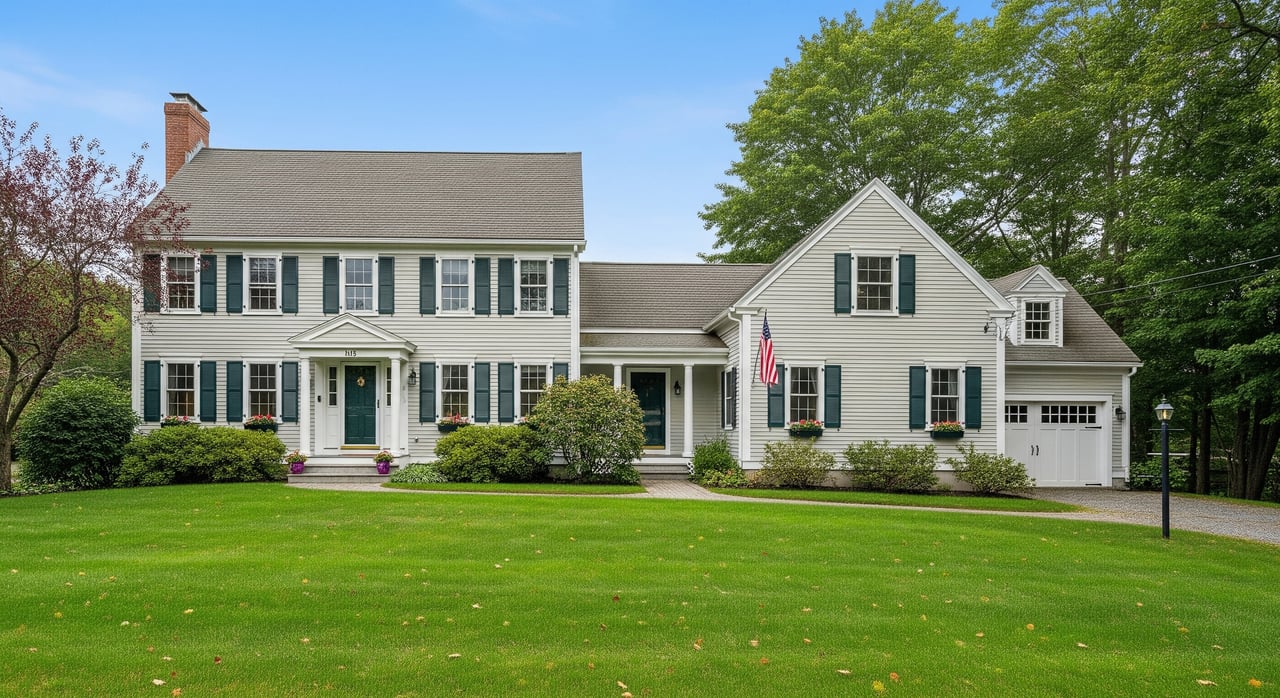
Pricing a Colonial in Weymouth can feel confusing. Two homes with similar square footage and style can sell for very different numbers. You want a price that attracts strong offers without leaving money on the table. In this guide, you’ll learn how village location, living area, condition, and key updates shape your value, plus how a CMA compares to an appraisal. Let’s dive in.
What actually drives price in Weymouth
Several factors work together to set your number. Focus on these first:
- Market timing and demand. Inventory, interest rates, and seasonal patterns across the South Shore and Greater Boston affect how aggressive you can be. Look closely at closed sales from the past 3 to 6 months, then check 6 to 12 months for trend context.
- Physical characteristics. Gross living area (GLA), bed and bath count, layout, mechanicals, and overall condition are primary drivers.
- Lot and curb appeal. Yard size, parking or garage, decks or patio, and any drainage or flood concerns matter.
- Micro-location. Village, proximity to commuter routes like Routes 3, 18, 3A, 53 and I‑93, plus access to MBTA options and amenities often move price up or down.
- Regulatory and tax context. The assessed value, property tax history, and any known zoning or permit issues can influence buyer confidence.
- Buyer preferences. Updated kitchens, a true primary suite, off‑street parking or a garage, and an extra full bath can command premiums with today’s buyers.
Micro-location by village: premiums and pitfalls
Weymouth pricing varies by village. Locals often refer to North Weymouth, East Weymouth, Weymouth Landing, South Weymouth, West Weymouth, and the Fore River or Germantown corridor. These village names are informal and boundaries can be fuzzy, so use a tight radius when pulling comps.
Here is how micro-location shapes value:
- Commute and transit. Easier access to MBTA and highways often boosts demand. Buyers will pay for shorter, simpler commutes.
- Amenities and walkability. Proximity to village centers, parks, restaurants, and bus or train stops can be a plus.
- Floodplain and water influence. Water views are attractive, but flood zone placement and insurance costs can offset value.
- School proximity. Being near schools can matter to many buyers. Keep comments neutral and verify assignments with the town.
Practical tip: Start with closed sales in the same village or within 0.5 to 1.5 miles. Compare your Colonial to those on similar streets or with similar commute patterns. Expand the radius only if inventory is scarce.
Living area and layout: get GLA right
GLA is a key pricing driver, and small measurement differences can change your price per square foot.
- What counts as GLA. Above‑grade, heated, finished space with standard ceiling height usually counts as GLA. Basements and garages typically do not unless finished and meeting relevant standards.
- Verify your numbers. Reconcile MLS, public records, and a fresh measurement. If you recently added space, confirm permits and finals are on file.
- Marginal square footage. The “extra” square footage on a larger home often trades for less per square foot than the average. Price your added area at a reasonable marginal rate, not necessarily the same as the whole home.
Condition and updates: what moves the needle
Condition can shift your competitive set and the offers you attract.
- Turn‑key updates. Modern kitchens and baths, fresh systems, and a functional layout can place your Colonial alongside newer or fully renovated homes.
- Deferred maintenance. Dated kitchens or known repairs may push your home toward “as‑is” comps and longer market time.
- Functional layout. If your kitchen is closed off or you have too few baths for the bedroom count, buyers may factor in renovation costs. This is sometimes called functional obsolescence.
Use your comp set to gauge whether an update will move you into a higher bracket or simply speed up your sale.
Baths, bedrooms, and basement value
Not all square footage or rooms are valued the same.
- Bathrooms. Adding a full bath is one of the strongest value movers. Going from one full bath to two can expand your buyer pool and comp set.
- Bedroom count. Four bedrooms sound great, but functionality matters more. A small or nonconforming bedroom may limit value.
- Finished basements. These add utility, but buyers usually value them below above‑grade living area. Good light, proper egress, and permits can improve the boost you get.
Build a defensible list price: step by step
Use this checklist to set a price buyers and appraisers can support:
- Confirm GLA and bed/bath counts. Re‑measure if needed and reconcile with assessor and MLS records.
- Pull closed sales of Colonials in your village or within 0.5 to 1.5 miles from the past 3 to 6 months. Expand to 6 to 12 months if needed.
- Filter by similarity. Aim for ±10 to 20 percent GLA, similar lot size, bed/bath count, and condition. Note which comps are “upper” due to superior updates.
- Adjust for features. Consider local market behavior for finished basements, extra baths, garages, and condition. Keep notes on why you adjusted.
- Set pricing strategy. Look at days on market and list‑to‑sale ratios. Pricing slightly under market can catalyze activity, while a competitive market value list can reduce negotiation.
CMA vs appraisal: what to expect
You will likely see both a CMA and an appraisal during your sale. They are not the same.
- Comparative Market Analysis (CMA). Prepared by a real estate agent to guide list price and strategy. It uses very recent actives, pendings, and closed sales in a tight radius to estimate a probable sale range.
- Appraisal. Completed by a licensed or certified appraiser for lending, estate, or tax purposes. It relies on standardized methods, emphasizes recent closed sales, and must document adjustment logic and comply with industry standards.
Practical implications for you:
- The CMA informs your list price. The appraisal, when a buyer finances, can influence the loan amount. A gap may require price changes or additional cash.
- If you added living area or a new bath, have permits and final inspections ready. Appraisers need proof that new GLA or systems are legal.
- For major renovations or complex properties, consider a pre‑listing appraisal for certainty. Otherwise, a strong agent CMA should anticipate what an appraiser will accept.
Plan smart improvements before you list
Not all projects deliver the same return. Prioritize updates that shift your comp set.
High‑impact moves:
- Add a full bath or create a second full bath. This can reclassify your home into a more searched category.
- Create a primary suite. A bedroom with an attached full bath is a frequent buyer priority.
- Increase legal GLA. Finish an attic or basement only if it meets code and is permitted. Above‑grade area typically carries a stronger premium than below‑grade.
Medium‑impact moves:
- Remodel the kitchen. A functional, modern kitchen influences willingness to pay.
- Upgrade major systems. A new roof, HVAC, and windows reduce near‑term costs and inspection risk.
- Improve parking or add a garage if feasible. Off‑street parking is a common ask on the South Shore.
Helpful but lower‑impact:
- Paint, landscaping, and staging often reduce market time and can support a modest premium, especially when paired with strong marketing.
Always match your finishes to neighborhood norms and keep records of permits, invoices, and warranties. Create a simple “upgrade packet” with before and after photos. This helps buyers and appraisers understand your value.
Avoid common pricing mistakes
- Using town‑wide averages. Pricing without village or tight‑radius comps can miss micro‑location premiums or discounts.
- Relying only on price per square foot. GLA matters, but bath count, layout, and condition can outweigh a simple average.
- Ignoring finished area standards. Not all finished space counts as GLA. Align your data with how appraisers and the MLS measure.
- Overpricing based on one outlier sale. Always confirm whether an outlier had unique features, a larger lot, or exceptional updates.
- Skipping permits. Unpermitted space may not count toward value and can delay closing.
Wrap‑up: position your Colonial to win
A sharp price for a Weymouth Colonial starts with accurate GLA, a realistic view of condition, and village‑level comps. Focus on improvements that change your competitive set, verify permits, and present a clear story of value. With the right strategy and data, you can attract strong offers and navigate appraisal with confidence.
If you would like a locally grounded CMA, a pre‑list improvement plan, or premium marketing that highlights your Colonial’s strengths, connect with David Castro. He brings South Shore expertise, responsive service, and polished presentation to every listing.
FAQs
How should I pick comps for a Weymouth Colonial?
- Start with closed Colonial sales within 0.5 to 1.5 miles and the same village where possible, then filter by ±10 to 20 percent GLA, similar bed/bath count, lot size, and condition.
What is the difference between a CMA and an appraisal?
- A CMA is an agent’s pricing tool for list strategy using recent actives, pendings, and closed sales, while an appraisal is a formal valuation for lending or legal purposes that emphasizes closed sales and documented adjustments.
Do finished basements count as living area in price?
- Finished basements usually add value but are often priced below above‑grade GLA; proper permitting and good light or egress can improve the adjustment.
Which updates increase a Colonial’s value the most?
- Adding a full bath, creating a primary suite, and increasing legal above‑grade GLA typically have the strongest impact, with kitchens and major systems next.
How far back should I look for comparable sales?
- Prioritize the last 3 to 6 months for the most current market, then extend to 6 to 12 months if inventory is limited or you need trend context.
Should I get a pre‑listing appraisal in Weymouth?
- Consider it if you completed significant renovations or need a firm value for planning; otherwise a strong, locally focused CMA often provides enough certainty for listing.