Thinking about a condo in Weymouth? You are not alone. Buyers here want easy commuting, low‑maintenance living, and solid amenities without Boston prices. The process has a few local twists, so a little preparation goes a long way. In this guide, you will learn how the market looks today, what fees usually cover, which association documents to review, how offers and deposits work in Massachusetts, and what lenders check before approving your loan. Let’s dive in.
Weymouth condo market snapshot
As of August 2025, the median condo sale price in Weymouth was about $425,000, up roughly 9 percent year over year, according to the Massachusetts Association of REALTORS monthly report. You can review the data in the August 2025 MAR local market update.
Property taxes are part of your monthly budget. Weymouth’s FY2026 residential tax rate is $10.12 per $1,000 of assessed value. To ballpark annual taxes, use assessed value × 0.01012. You can confirm the current rate on the Weymouth tax rate table.
Inventory can tighten quickly, and days on market can shift by season. When you are ready to shop, check the latest MAR snapshot for a fresh read on pricing and pace.
Building types you will see
High‑rise and waterfront towers
You will find larger 1970s era towers like the Weymouthport condominium building. Expect garage or surface parking, elevators, and shared amenities such as a pool or fitness room. Fees can be higher because many services and some utilities are included.
Mid‑rise and garden style
Weymouth has several 1960s to 1980s complexes with walk‑up or elevator access. Many include landscaping, snow removal, and building insurance in the monthly fee. In some older complexes, heat or hot water may be included. Verify what is covered in each listing and the association budget.
Townhouse‑style communities
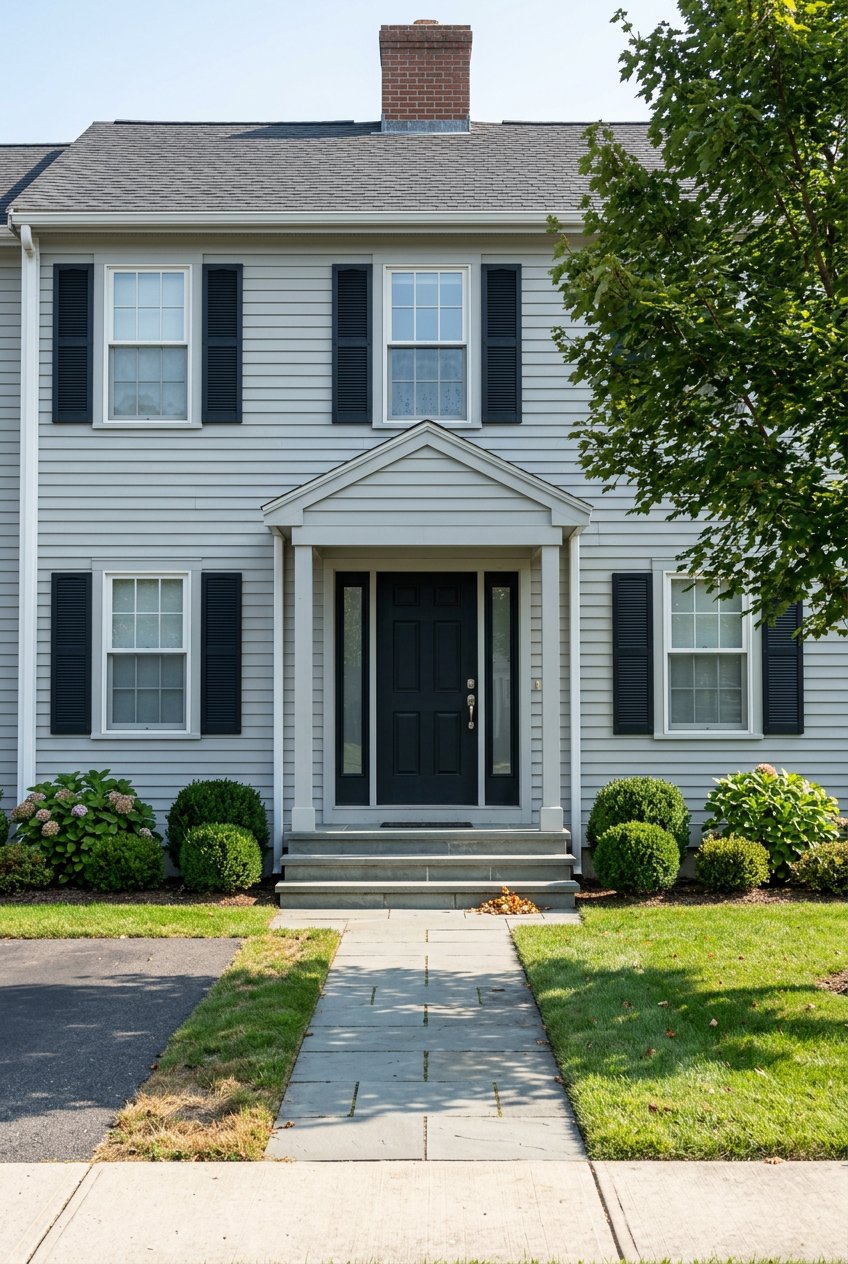
Planned townhouse communities often feature multi‑level layouts with exterior maintenance handled by the association. You may see pools or tennis courts. Fees vary by amenity level and whether utilities are included.
Two‑ to four‑unit conversions
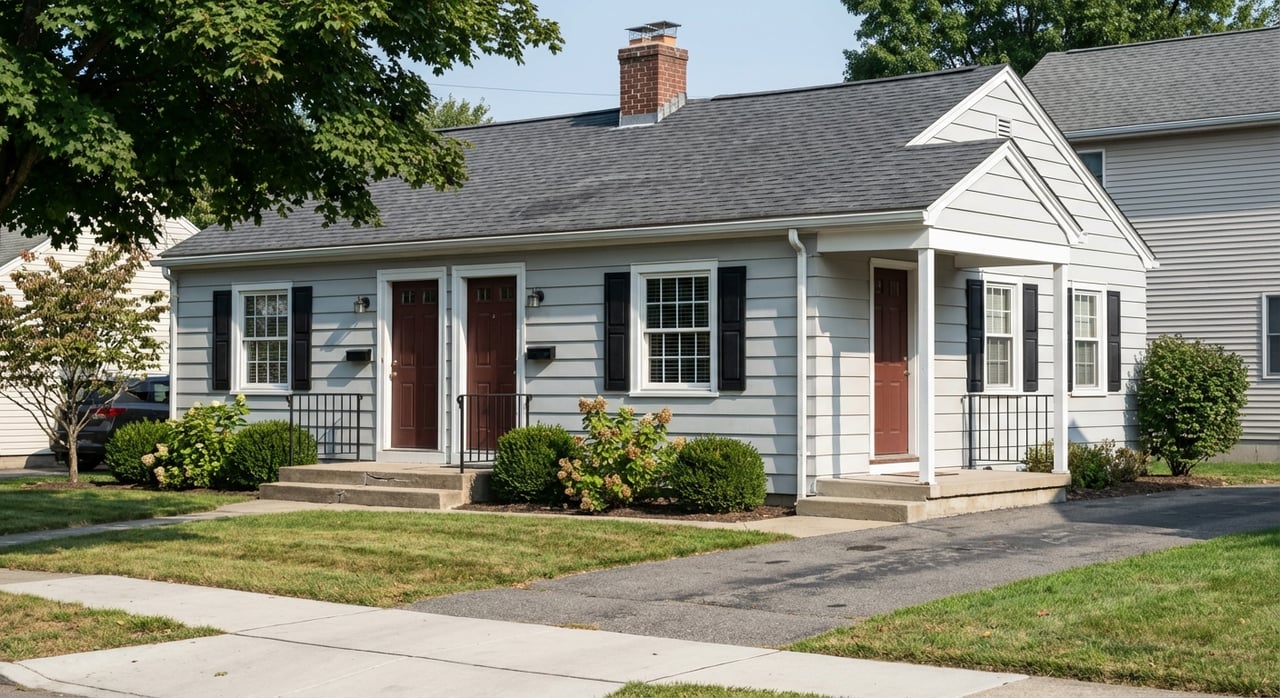
Converted multifamily homes are common across New England. These can be charming and unique but may have shared systems or mixed metering. You will want to read the governing documents closely to understand maintenance responsibilities.
What condo fees cover and how to budget
Monthly condo fees typically cover exterior and common‑area maintenance, snow removal, landscaping, the building’s master insurance policy, water and sewer, and contributions to reserves. In some buildings, fees also include heat or hot water, elevator service, and recreational facilities.
Local examples show a wide range. Smaller garden units may be around 150 to 300 dollars per month, many mid‑rise and garden complexes land in the 300 to 700 dollar range, and full‑service towers or buildings that include utilities can run 700 to 1,200 dollars or more per month. Always confirm current figures in the listing and the association budget.
Here is a quick monthly cost example:
- Purchase price: $425,000
- Down payment: 10 percent
- Loan: $382,500 at a sample rate for illustration only
- Taxes: Assessed at $400,000 → $400,000 × 0.01012 ≈ $4,048 per year, or about $337 per month
- HOA fee: $500 per month
- HO‑6 condo insurance: $35 to $50 per month, sample
- Utilities: Varies by building and usage
Total monthly housing cost is your mortgage payment plus property taxes, HOA fee, HO‑6 insurance, and any utilities not covered by the association. Run this calculation for each building to compare apples to apples.
Association documents to review
Massachusetts condominiums are governed by Mass. Gen. Laws Chapter 183A. Your rights and the association’s powers come from this statute and the recorded documents. You can read the statute here: Massachusetts General Laws Chapter 183A.
Request these items as soon as your offer is accepted, then have a Massachusetts real estate attorney review them:
- Recorded Master Deed and amendments
- Bylaws and Declaration of Trust
- Most recent annual operating budget and 2 to 3 years of financials and actuals. See what to ask in this Boston.com overview of condo finances and questions
- Current reserve balance and any reserve study or policy. The Community Associations Institute explains why reserves matter in its reserve study guidance
- Board meeting minutes for the past 12 to 24 months, plus any special‑meeting notes on projects or assessments
- Master insurance certificate with deductible details
- Owner‑occupancy and delinquency reports. Lenders review these metrics under Fannie Mae’s project standards
- Any pending litigation and major vendor contracts
- Unit ledger for your specific unit, showing assessments and balances. Here is a consumer‑facing explainer on unit owner records and protections: Unit owner protection overview
Red flags include low or no reserves, repeated special assessments, large capital projects without a funding plan, and high owner delinquency. These can signal higher future costs and can also affect financing.
Will your lender accept this building?
Condo financing is not just about you as a borrower. Many lenders, including those that sell loans to Fannie Mae, evaluate the condo project itself. They look at owner‑occupancy, reserves, insurance coverage, and whether there is significant commercial space. You can read the framework in Fannie Mae’s project standards.
Using FHA or VA financing may require project approval. FHA has an approval process and a single‑unit approval path in some cases. Ask your lender to check the most current FHA rules and approval options. FHA’s guidance is summarized in this HUD reference.
Tip: tell your lender at pre‑approval that you plan to buy a condo. Ask what documents they will need for project review, such as a condo questionnaire and the master insurance certificate. If a building will not meet a specific program’s criteria, you will want to know early.
How offers, deposits, and P&S work in Massachusetts
In Massachusetts, condo purchases usually follow a two‑step contract path:
- Offer to Purchase. You submit a signed offer with a small initial deposit, often about 500 to 1,000 dollars. If the seller accepts, you move into due diligence right away.
- Purchase and Sale Agreement. Within roughly 7 to 14 days, the parties negotiate and sign the P&S. At that time, you typically deliver an additional deposit so your total escrowed deposit equals about 3 to 5 percent of the purchase price. The P&S lays out detailed contingencies and deadlines.
Build in time for a home inspection, review of condo documents by your attorney, and a financing contingency. In fast markets, some buyers consider waiving contingencies, but that adds risk with condos because building‑level issues can be expensive. Discuss strategy with your agent and attorney before you write.
Inspections and building due diligence
At the unit level, a standard home inspection evaluates interior systems, plumbing, electric, windows, and visible signs of moisture or roof leaks. If the property was built before 1978, you may consider lead‑paint testing. Radon testing is a simple add‑on in Massachusetts and is recommended by the EPA. Learn more in this EPA radon overview.
At the building level, your document review should surface major projects. Look for roof or façade repairs, elevator modernizations, boiler or HVAC replacement schedules, special assessments, and reserve targets. If the minutes reference structural concerns or large projects, ask for related engineering reports and consult your attorney promptly.
How David helps you buy wisely
Working with a local buyer’s agent who understands Weymouth and Massachusetts condo practice can reduce risk and keep your search moving. Here is how David supports you:
- Requests the full condo document package immediately after offer acceptance and tracks down missing pieces, such as the unit ledger or recent minutes.
- Reviews budgets and meeting notes with you to flag red flags like low reserves or pending capital projects, then coordinates attorney or specialist follow‑up.
- Connects you with lenders who regularly finance similar condo projects and knows what each lender needs for project review.
- Structures your offer and P&S timelines to keep you competitive while protecting your key contingencies.
- Plans inspections strategically, including optional radon or specialty checks when documents suggest building‑level issues.
- Negotiates credits or repairs when due diligence uncovers problems that affect value or safety.
Quick checklist and timeline
Before touring:
- Get pre‑approved and tell your lender you plan to buy a condo.
- Make a must‑have list: parking, elevator, pet rules, laundry, utilities included.
- Ask the listing agent about any current special assessments or capital projects.
After your offer is accepted:
- Deliver the initial offer deposit, commonly 500 to 1,000 dollars.
- Schedule and complete your home inspection as soon as possible. Add radon or lead testing if needed.
- Negotiate and sign the P&S within about 7 to 14 days. Deliver the additional deposit so your total is about 3 to 5 percent in escrow. Have your attorney review the condo documents during this window.
- Provide your lender with all requested condo documents for project review, including the questionnaire and the master insurance certificate.
- Clear contingencies and work toward closing. Most condo closings take 30 to 60 days depending on lender timing and title.
Buying a condo in Weymouth can be straightforward when you know what to look for in the building and the paperwork. If you want a second set of eyes on association documents, fee structures, and lender requirements before you tour, schedule a quick consult with David Castro. We will map the buildings that fit your goals and set a plan to move with confidence.
FAQs
How much are typical condo fees in Weymouth?
- Fees vary widely by building and amenities. Recent local examples range from about 150 to 900 dollars per month, with higher fees in full‑service or utility‑inclusive buildings.
Do condo fees include Weymouth property taxes?
- Usually not. Taxes are assessed to each unit separately. To estimate annual taxes, use assessed value × 0.01012 under Weymouth’s FY2026 rate.
What documents should I review before buying a Weymouth condo?
- Ask for the master deed and amendments, bylaws, recent budgets and financials, reserve balance, 12 to 24 months of minutes, master insurance certificate, occupancy and delinquency data, litigation disclosures, and the unit ledger.
Can I use FHA or VA financing for a Weymouth condo?
- Possibly. Your lender will check whether the project meets FHA, VA, or conventional project standards. If a project is not FHA‑approved, single‑unit approval may be an option subject to lender review.
How do deposits and timelines usually work in Massachusetts condo purchases?
- Many buyers submit an initial 500 to 1,000 dollar deposit with the offer, then increase the total escrowed deposit to about 3 to 5 percent at the Purchase and Sale Agreement within roughly 7 to 14 days. Inspections and attorney condo‑document review typically happen before or during the P&S stage.