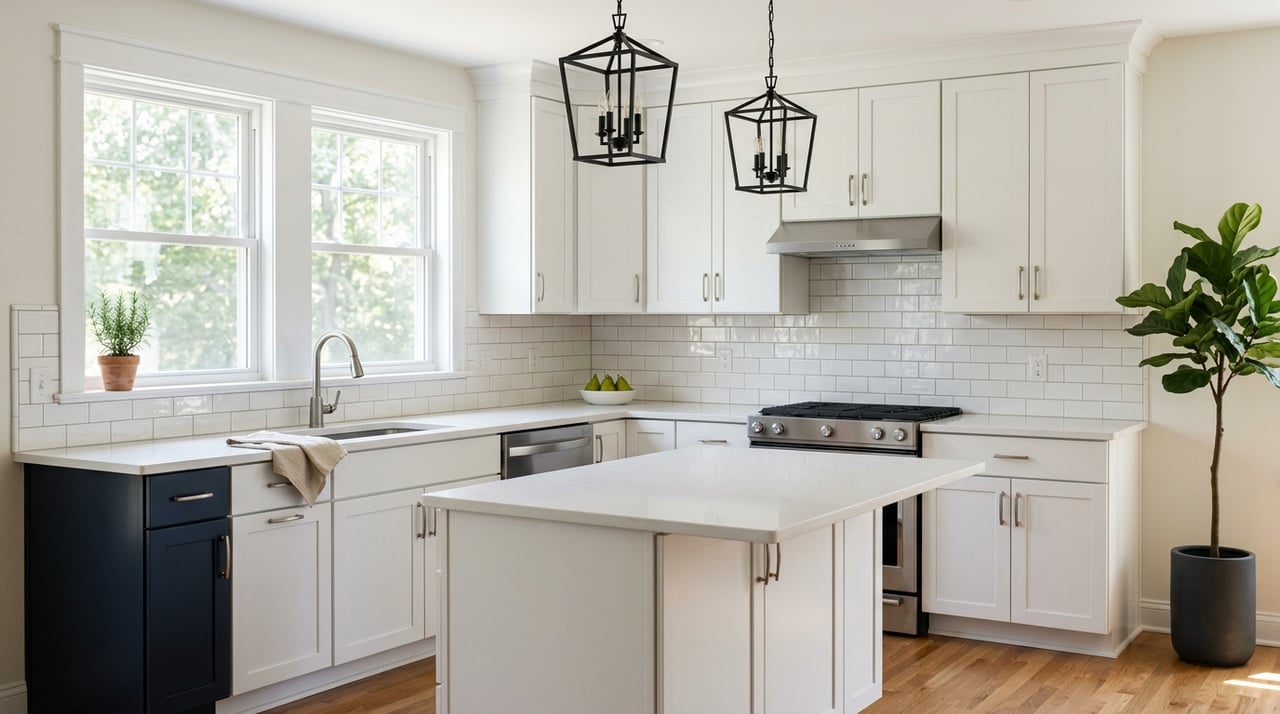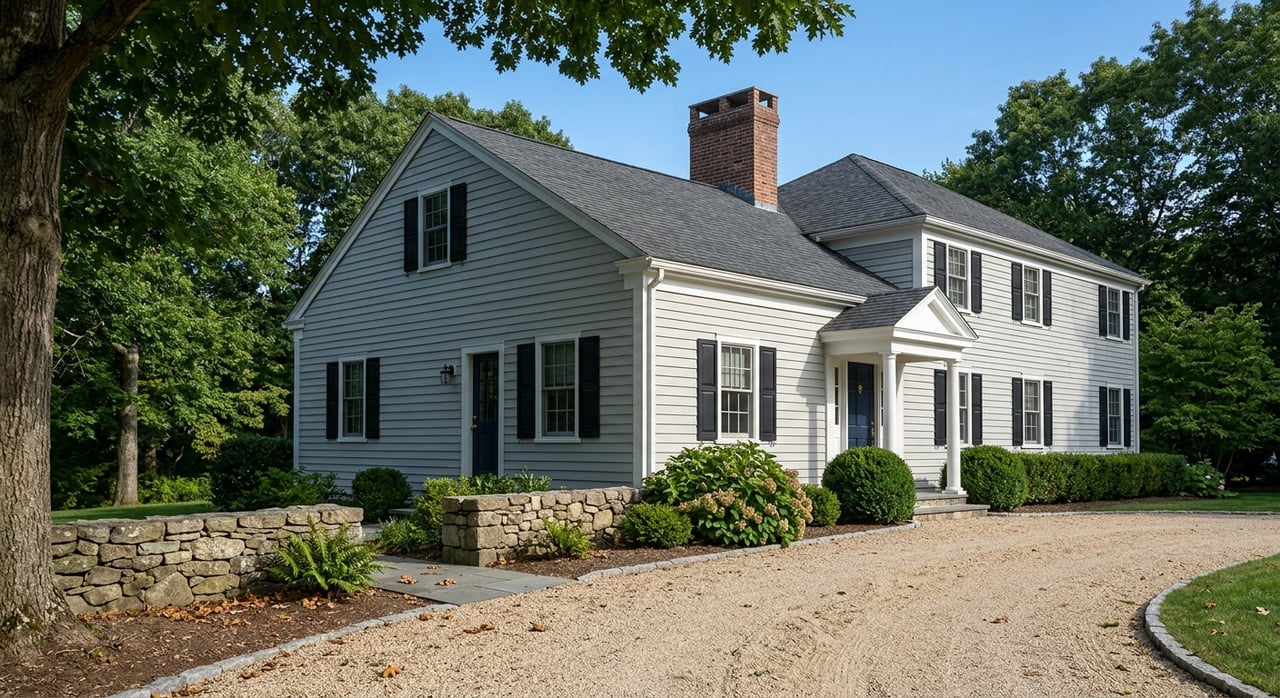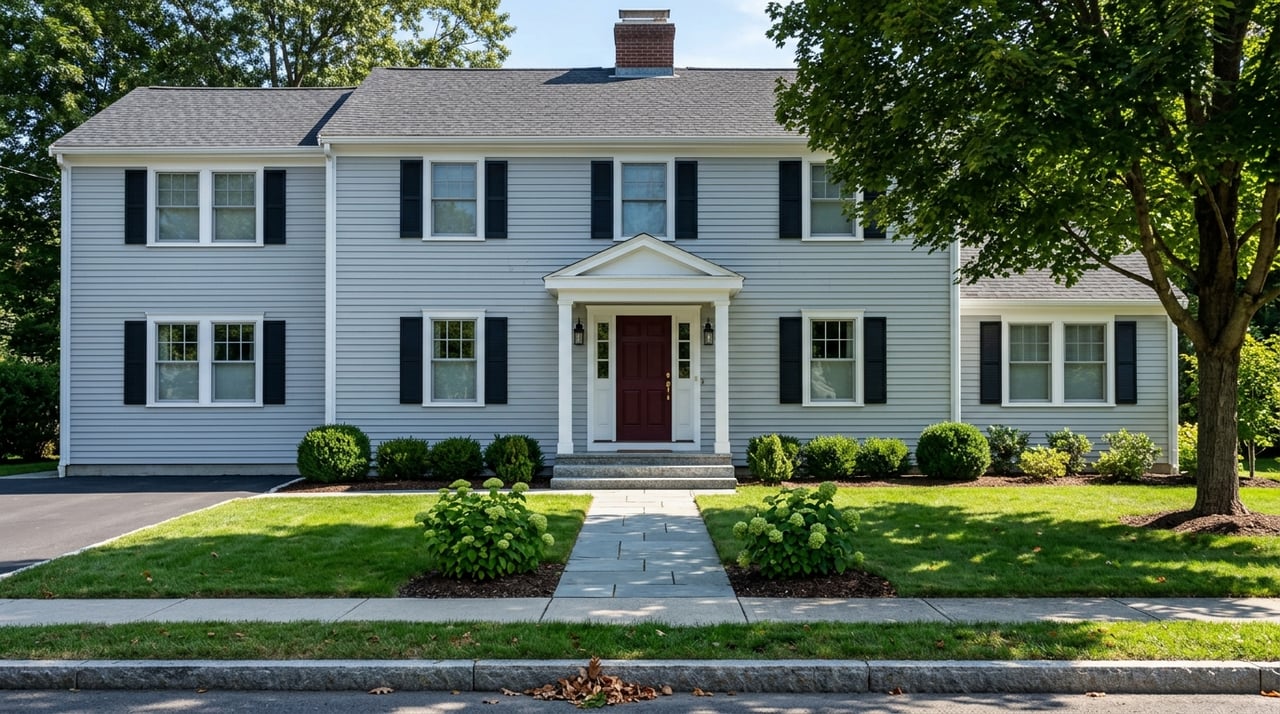
Trying to choose between a Boston condo and a South Shore single-family home? You are not alone. The tradeoffs come down to price, commute, space, and the way you want to live day to day. In this guide, you will see what your dollar buys in each option, how to think about door-to-desk time, and a simple framework to make a confident decision. Let’s dive in.
Price reality check for 2025–2026
City condo prices swing widely by neighborhood. Recent citywide snapshots placed Boston’s median condo sale price around $800,000 in early 2026, while broader Greater Boston condo medians were closer to $620,000 in 2025 year to date. Town medians on the South Shore have been lower on average in recent reports: Weymouth around the low $600,000s, Canton in the low to mid $700,000s, and Easton near $650,000. Always anchor your search to live comps on the exact street or building and note the month of the sale.
- Boston condo medians: about $800k citywide in Jan 2026; Greater Boston condos near $620k in 2025 YTD.
- Weymouth medians: roughly low $600k.
- Canton medians: roughly low to mid $700k.
- Easton medians: roughly around $650k.
Statewide numbers underscore the trend that prices have moved up in recent periods, so timing matters. See the Massachusetts 2025 median sale price context in this Warren Group release.
What your dollar buys
- If you prioritize location and walkability, a Boston condo near transit can deliver a short commute and a vibrant neighborhood in a smaller footprint.
- If you want more bedrooms, a yard, and a garage, a South Shore single-family often stretches your space and lot size for a similar or lower price.
Lifestyle tradeoffs: walkability vs space
Walkability and daily convenience
Boston neighborhoods score high for walking and transit. Many areas make it easy to run errands on foot and skip a car. Check the Boston Walk Score overview to gauge everyday convenience.
South Shore towns are more car oriented. Town centers like Weymouth Landing, Canton Center, and North Easton offer pockets of convenience, but most areas require driving for daily needs. For a benchmark, Easton’s profile sits in the “car dependent” range on Walk Score.
Amenities and nightlife vs yards and quiet
- Boston: Quick access to restaurants, grocery options, cultural venues, and frequent transit. Social plans can happen on foot or a short ride.
- South Shore: More private outdoor space, quieter streets, municipal parks and fields, and space for hobbies. You trade daily city amenities for room to spread out.
Noise, privacy, and building style
- Condos: Shared walls or floors, building rules, and close neighbors. In exchange, many exterior tasks are handled for you and some buildings offer amenities.
- Single-family homes: More privacy and yard, but you take on full exterior maintenance and longer to-do lists.
Commute: think door to desk
Schedule minutes tell only part of the story. Estimate the full trip: your drive or walk to the station, parking, wait time, train ride, then the final walk to the office.
Weymouth
Weymouth has multiple commuter-rail stations with realistic station-to–South Station ride times in the 30 to 35 minute range on typical schedules. Start with the town’s transportation page and confirm current timetables. Your door-to-desk time will depend on proximity to a station and train frequency during your commute window.
Canton
Canton Center and Canton Junction sit on the Providence and Stoughton line with regular peak service. Regional planning materials highlight strong park-and-ride usage and a relatively short rail ride to Boston. Review context in the Boston MPO documentation, then test your route during rush hour.
Easton
Easton currently lacks direct MBTA commuter rail. Many commuters drive to nearby stations or use regional bus options. Learn more about the town’s profile and planned rail concepts in Easton’s overview. If you need reliable transit, factor in the extra drive and transfer time.
Sample door-to-desk estimate
- Drive 8 minutes to the station, park for 3 minutes.
- Wait 7 minutes for the next train.
- Train ride 32 minutes to South Station.
- Walk 10 minutes to your office.
- Estimated total: about 60 minutes. Test this at your actual commute time to confirm.
Space, maintenance, and monthly costs
Who handles what
- Condos: The association typically maintains the roof, exterior, and common systems, funded by monthly dues. You handle interior maintenance and a condo insurance policy.
- Single-family: You handle everything, from roof and siding to driveway and landscaping. Many owners set aside a yearly maintenance reserve to prepare for replacements like HVAC or a roof.
HOA fee levels
Monthly dues vary by building age, size, and amenities. National consumer reporting cites average HOA fees in the low to mid hundreds of dollars, with higher fees in amenity-rich buildings. See an overview of how HOA fees work from Bankrate.
Quick monthly cost comparison
| Cost category | Boston condo | South Shore single-family |
|---|---|---|
| Mortgage + taxes | Varies by price and rate | Varies by price and rate |
| Insurance | Condo policy (HO-6) | Homeowner policy (HO-3) |
| HOA/common charges | Building dependent, can range widely | None |
| Utilities | Often lower due to smaller space | Often higher due to larger space |
| Maintenance | Mostly interior, plus special assessments if any | Full exterior and systems, plan a reserve |
| Parking | Often extra or street parking | Usually driveway or garage |
Tip: Build a simple monthly budget that includes HOA dues, insurance, estimated utilities, and a maintenance reserve. Then compare it to a single-family budget with higher utilities and an annual maintenance set-aside.
Resale and flexibility
- Boston condos in walkable, transit-served locations often draw a wide buyer pool, including renters-turned-buyers, investors, local employees, and downsizers. Demand can vary by neighborhood and building type.
- South Shore single-family homes appeal to buyers who value space, a yard, and suburban living. Resale tends to track factors like proximity to commuter routes, condition, and lot.
- Renting rules: Many condo associations limit rentals or short-term stays. Always request bylaws, the budget and reserve summary, insurance declarations, meeting minutes, and rental policies during due diligence.
A simple decision framework
Score each item 1 to 5, where 5 means very important.
Lifestyle priorities: Walkability [ ], Transit [ ], Nightlife [ ], Yard/Green Space [ ], Privacy [ ], Schools [ ]
Commute tolerance: Max door-to-desk minutes you will accept [ ]
Space and future plans: Need for basement/garage/yard/office/hobby space [ ]
Maintenance appetite: Low maintenance [ ] vs I do not mind projects [ ]
Flexibility and rentals: Need to rent full or part-time now or in the future [ ]
Resale horizon: 3–5 years [ ] or 10+ years [ ]
Add up your scores. If walkability, transit, and low maintenance rank highest, a city condo may fit better. If space, privacy, and outdoor living rank higher, a South Shore home may be the stronger move.
Smart next steps
- Run live comps: Ask for recent neighborhood-specific condo comps in Boston and single-family comps in your target South Shore town. Prices change quickly, and statewide trends like those in the Warren Group’s 2025 report show why timing matters.
- Do a commute trial: Time a morning trip at your actual hour. Drive to the station, park, take the train, and walk to your office. Confirm assumptions with the Weymouth transportation page and current MBTA schedules.
- Get HOA docs early: For condos, request bylaws, budget, reserves, insurance declarations, meeting minutes, and rental policy before waiving contingencies. Look for adequate reserves and any planned assessments.
- Build an apples-to-apples budget: Include HOA dues, insurance, utilities, and a maintenance reserve for condos. For houses, include higher utilities, yard care, and a yearly maintenance reserve.
Ready to pressure-test your options with local comps, commute intel, and a tailored budget? Reach out to David Castro to map the best path for your goals.
FAQs
What is cheaper in 2026, a Boston condo or a South Shore home?
- Citywide Boston condo medians were around $800k in early 2026, while recent South Shore town medians like Weymouth and Easton were commonly in the $600k range and Canton in the low to mid $700k range; exact value depends on neighborhood, condition, and timing.
How walkable are South Shore towns compared to Boston?
- Boston’s Walk Score profile shows strong walkability in many neighborhoods, while towns like Easton trend more car dependent per Walk Score, with better walkability near village centers.
What are realistic commute times from Weymouth or Canton?
- Schedule ride times to South Station can be about 30 to 35 minutes from Weymouth stations per the town’s transportation page, and Canton’s line offers regular peak service per Boston MPO materials; always test your full door-to-desk route.
What monthly costs differ between condos and houses?
- Condos add HOA dues and a condo insurance policy, and often have lower utilities, while single-family homes have no HOA dues but higher utilities and full maintenance; see Bankrate’s HOA fee overview for how dues are structured.