Looking for more space, a different neighborhood feel, or an easier commute path without turning your weekend into a full-on home search? A smart South Shore day trip can help you do both. With the right stops, you can enjoy a great outing from Boston while quietly gathering the details that matter when you are deciding where to live. Let’s dive in.
Why day trips help you house-hunt
A casual visit often tells you things online listings cannot. You can see how a town center flows into nearby residential streets, how much open space is woven into daily life, and whether an area feels more village-like, transit-connected, or spread out.
These South Shore stops each offer something different. Weymouth gives you a strong coastal-and-transit mix, Sharon leans residential and open-space heavy, Easton shines for village character and cultural landmarks, and Abington pairs a signature park with an evolving station-area story.
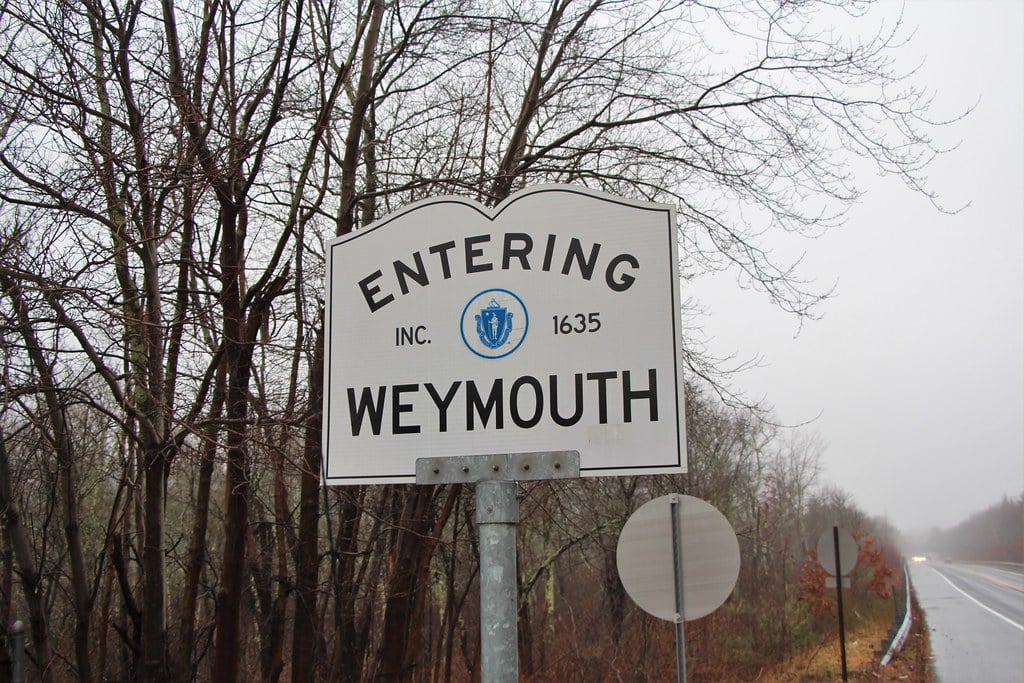
Weymouth: coastal feel and commuter access
If you want to see a town that blends transportation access with a lived-in neighborhood feel, Weymouth is a strong first stop. According to the Town of Weymouth, it is a mature residential suburb just south of Boston with three MBTA commuter rail stations and convenient access to I-93 and Route 3.
A useful place to start is Weymouth Landing. The town describes it as an area with local restaurants, single-family homes, apartment buildings, and an MBTA commuter rail station, with mixed-use buildings allowed by special permit. That combination makes it one of the clearest places to study how transit shapes nearby housing and street activity.
As you walk, notice how the blocks change. Are there storefronts near the station? Do upper-floor apartments appear over commercial space? How quickly does the area shift into more traditional residential streets? Those clues can help you decide whether you want a more connected, mixed-use setting or a quieter block farther out.
Weymouth also gives you a strong sense of how outdoor access fits into everyday life. The town highlights more than 700 acres of parks and conservation land, along with places like Great Esker Park, George Lane Beach, and Back River waterfront and trail areas.
If you have time, add North Weymouth to your route. The town points to Bicknell Square and the Sea Street Historic District, and notes that the district includes 120 contributing structures across more than 49 acres. That makes this area especially helpful if you want to compare a more historic residential setting with the mixed-use feel around Weymouth Landing.
What to look for in Weymouth
- Mixed-use buildings near Weymouth Landing
- The balance between apartment living and single-family homes
- Station proximity and how active the streets feel
- Historic residential character in North Weymouth
- How parks, trails, and waterfront areas connect to neighborhoods
Sharon: open space and a mostly single-family feel
If your ideal day trip involves water views, wooded surroundings, and a more residential atmosphere, Sharon deserves a close look. The Town of Sharon says it is 22 miles south of Boston, has commuter train access at Sharon station, and is made up mostly of single-family houses ranging from relatively modest ranches to luxury properties.
That description is useful because it gives you a direct sense of the town’s housing pattern. If you are trying to picture your daily life in a place that feels less mixed-use and more home-centered, Sharon offers a clear contrast to Weymouth.
One of the best anchors for your visit is Lake Massapoag. The town says the lake is 353 acres and located in the center of town, with public-facing recreation assets that include Memorial Park Beach and Community Center Beach. A stop here can help you understand how a major natural feature shapes the town’s feel.
Sharon also stands out for preserved land. The town says more than 5,000 acres of its 24 square miles are protected open space, and public destinations include Moose Hill Wildlife Sanctuary and the portion of Borderland State Park within town. If you are drawn to a lower-density, wooded environment, this part of the South Shore is especially worth exploring.
As you drive between the station, lake area, and residential streets, pay attention to lot sizes, road patterns, and how often you see commercial areas. Sharon’s appeal for many buyers is not about a bustling center. It is about space, landscape, and a primarily single-family setting.
What to look for in Sharon
- Mostly single-family housing patterns
- The relationship between the train station and nearby homes
- How Lake Massapoag shapes the center of town
- The amount of visible open space and tree cover
- Whether the lower-density feel matches your lifestyle goals
Easton: village character and cultural landmarks
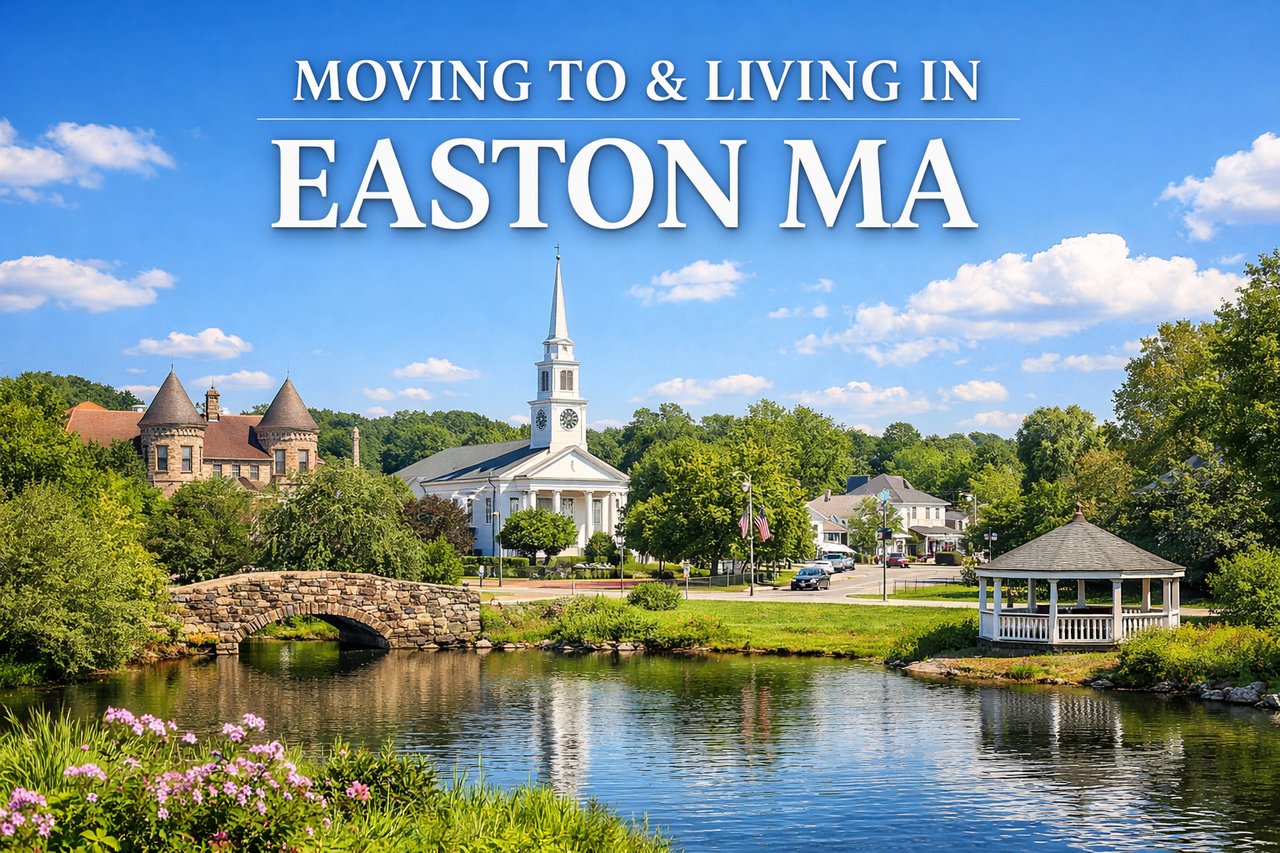
For buyers who care about architectural character and a classic New England streetscape, Easton is one of the most rewarding day trips on this list. Its strongest public identity comes through North Easton and the Shovel Town Cultural District, where historic buildings and newer cultural spaces create a distinct sense of place.
The district includes landmarks such as Ames Free Library and Oakes Ames Memorial Hall, while Easton Shovel Works adds another layer to the area’s visitor experience. This is the kind of place where you benefit from moving slowly. Park the car, walk the core, and take in how civic buildings, streets, and nearby homes relate to one another.
Easton is best approached as a historic-village outing rather than a commute-first scouting trip. If you are deciding between towns based on atmosphere, North Easton gives you a strong visual read on what village-centered living can feel like.
You can also pair the village visit with time at Borderland State Park, which Mass.gov identifies as a historic site and nature preserve in North Easton. That combination of cultural landmarks and preserved landscape helps round out the town’s identity in a single afternoon.
As you explore, focus on the details. Does the streetscape feel cohesive? Do homes near the core seem integrated with the public buildings and open spaces? If you value history, walkability within a village setting, and a strong local identity, Easton can leave a lasting impression.
What to look for in Easton
- Historic village streetscape in North Easton
- Architectural character near civic landmarks
- The feel of blocks just beyond the village core
- Cultural destinations that create activity and identity
- How open space complements the historic center
Abington: park life and an evolving town center
Abington offers a different kind of day trip. It combines a well-known public park with a visible planning and transit story, which can be helpful if you want to understand not just what a town feels like today, but how it may continue to evolve.
The town’s planning materials describe Abington as a commuter rail community and point to MBTA 3A compliance, a housing production plan update, station-access improvement funding, and North Abington revitalization efforts. For buyers, that makes Abington an interesting place to observe how transportation, planning, and housing goals come together.
Start with Island Grove, which the town calls its "Crown Jewel." It is listed in the National Register of Historic Places and features the Memorial Arch and Bridge, the pond, and the summer pool program. It is the kind of destination that lets you enjoy the day while also learning something about the town’s civic identity.
Then spend time near the station-area streets and town center. Notice whether the blocks feel established, in transition, or shaped by recent public investment. In Abington, the house-hunting value comes from reading the relationship between everyday neighborhood life and a town that is actively planning for future housing and access improvements.
What to look for in Abington
- How the commuter rail presence shapes nearby streets
- Signs of town-center or North Abington revitalization
- The mix between established residential blocks and planning activity
- How Island Grove connects to the town’s identity
- Whether an evolving station-area setting appeals to you
A simple day-trip strategy
You do not need a formal tour to learn a lot from these towns. A well-planned visit can give you a clearer sense of what fits your lifestyle, your commute priorities, and the kind of neighborhood setting you want.
Try this simple approach on each stop:
- Start at a public destination like a park, lake, or village center.
- Walk the surrounding blocks for 15 to 20 minutes.
- Drive a few nearby residential streets.
- Note the housing pattern, street activity, and access to open space.
- Compare what you saw with your must-haves.
Which South Shore day trip fits you best?
Here is a quick way to think about the four towns.
| Town | Best for noticing | Public stop to anchor your visit |
|---|---|---|
| Weymouth | Transit-oriented and mixed-use character | Weymouth Landing, waterfront and park areas |
| Sharon | Mostly single-family homes and open space | Lake Massapoag and beach areas |
| Easton | Historic village identity and cultural landmarks | North Easton core and Borderland State Park |
| Abington | Station-area change and town planning context | Island Grove and town center |
The right fit often becomes clearer when you stop trying to rank towns in the abstract and start experiencing them block by block. One place may feel more connected, another more wooded, another more historic, and another more future-focused.
If you want help turning a casual South Shore outing into a focused home search, David Castro can help you compare towns, narrow your priorities, and build a smart plan around how you actually want to live.
FAQs
What makes Weymouth a useful house-hunting day trip from Boston?
- Weymouth lets you see a mix of commuter rail access, local restaurants, single-family homes, apartment buildings, historic areas, and public outdoor spaces in one visit.
What should you look for during a Sharon day trip if you want a residential setting?
- In Sharon, pay attention to the mostly single-family housing pattern, the amount of protected open space, and how the lake and wooded areas shape the town’s overall feel.
Why is Easton a strong choice for buyers who care about character?
- Easton stands out for its historic village atmosphere, civic landmarks, cultural district identity, and the connection between architecture and open space in North Easton.
How does Abington help you evaluate a town’s future housing direction?
- Abington’s public planning materials point to commuter rail access, housing updates, station improvements, and revitalization work, so it is a good place to observe how growth and neighborhood character may interact.
How can a South Shore day trip help you decide where to buy?
- A day trip helps you compare housing patterns, street activity, public spaces, and town atmosphere in person so you can make a more confident shortlist before touring homes.