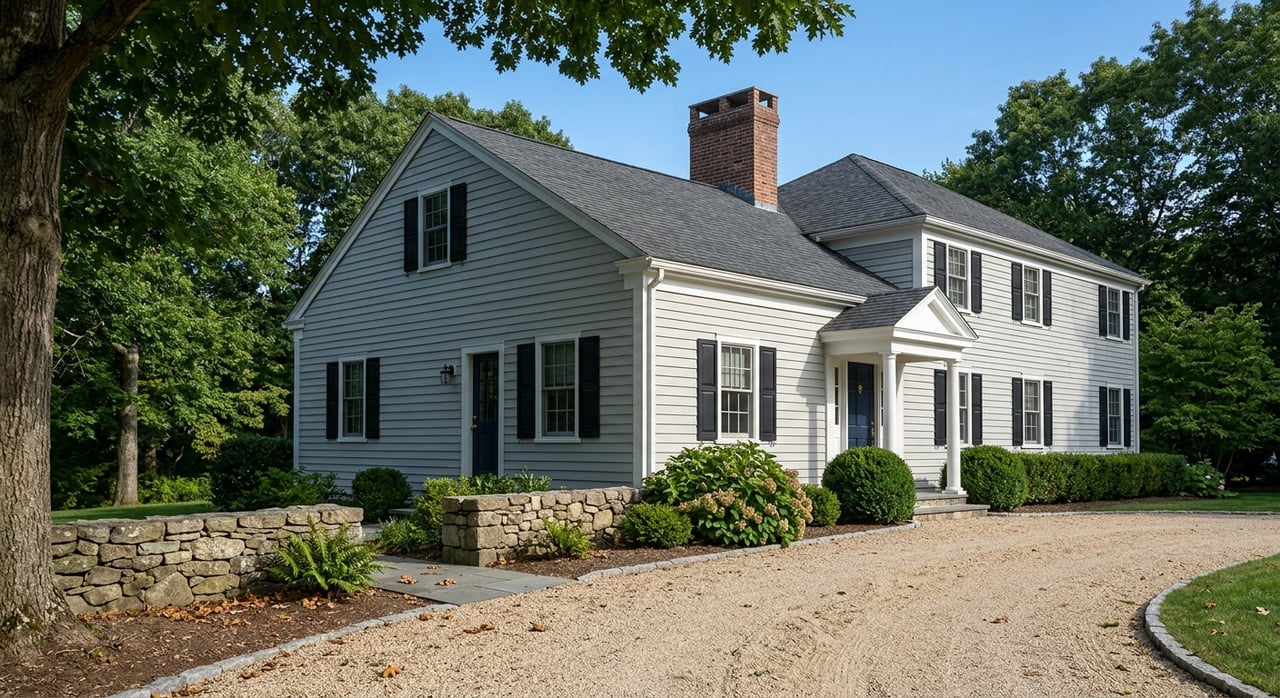
If you picture your next home with more land, more privacy, and easier access to nature, Sherborn may already be on your radar. For many buyers, the real question is not whether Sherborn is beautiful, but whether its pace, housing style, and day-to-day logistics match the life you want to build. This guide will help you weigh the lifestyle benefits, practical tradeoffs, and market positioning so you can decide if Sherborn fits your next move. Let’s dive in.
What Makes Sherborn Different
Sherborn stands out in Greater Boston because it offers a distinctly low-density, semi-rural setting. According to the town’s Housing Production Plan, open space is a defining part of the community, and residential zoning includes 1-acre, 2-acre, and 3-acre minimum lot sizes in many areas.
That land pattern shapes daily life. Instead of a compact, transit-oriented layout, you are more likely to find larger home sites, detached single-family houses, and a quieter, more spread-out feel. If your version of a lifestyle home starts with space and privacy, Sherborn checks that box quickly.
Sherborn Housing Style and Setting
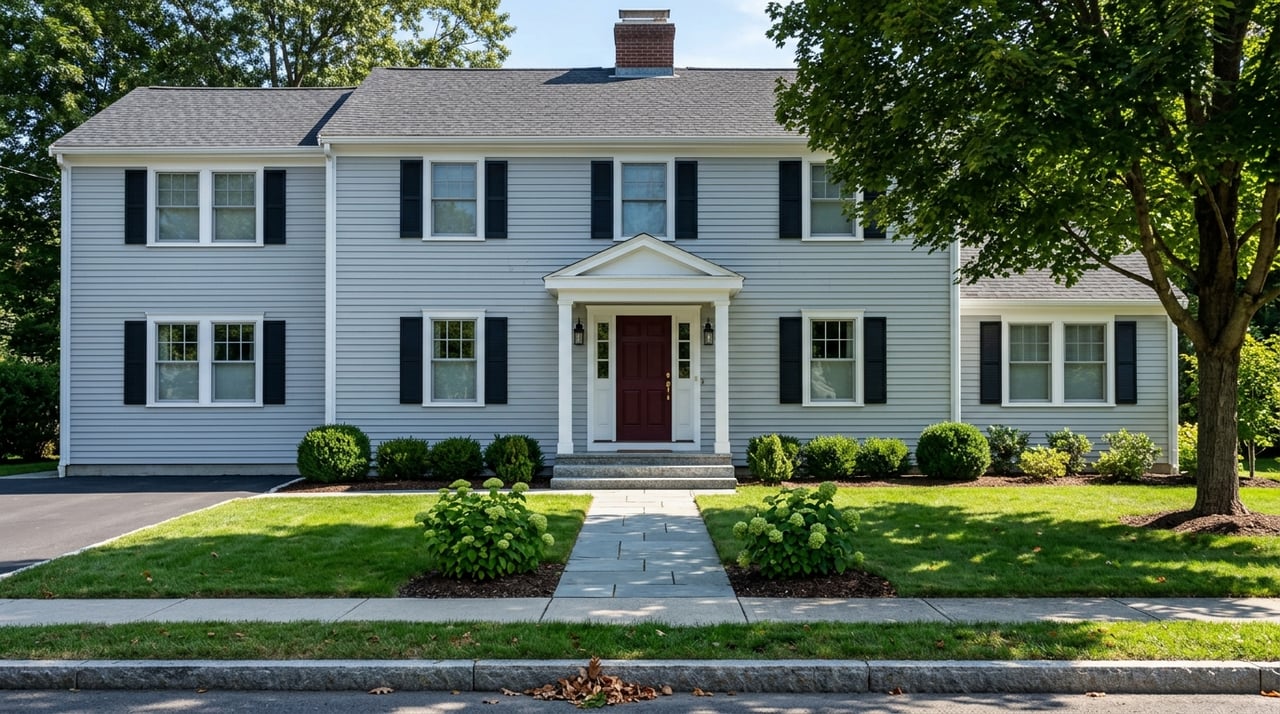
Sherborn’s housing stock reflects both history and its semi-rural identity. The town notes that single-family detached homes predominate, with a mix of historic properties and later neighborhood development shaped by its evolution as a commuter community.
You will find strong New England character here. The town’s historic districts overview highlights Federal, Colonial, Greek Revival, Victorian, and Queen Anne architecture, while newer neighborhoods are still often described as traditional capes, colonials, and farmhouses.
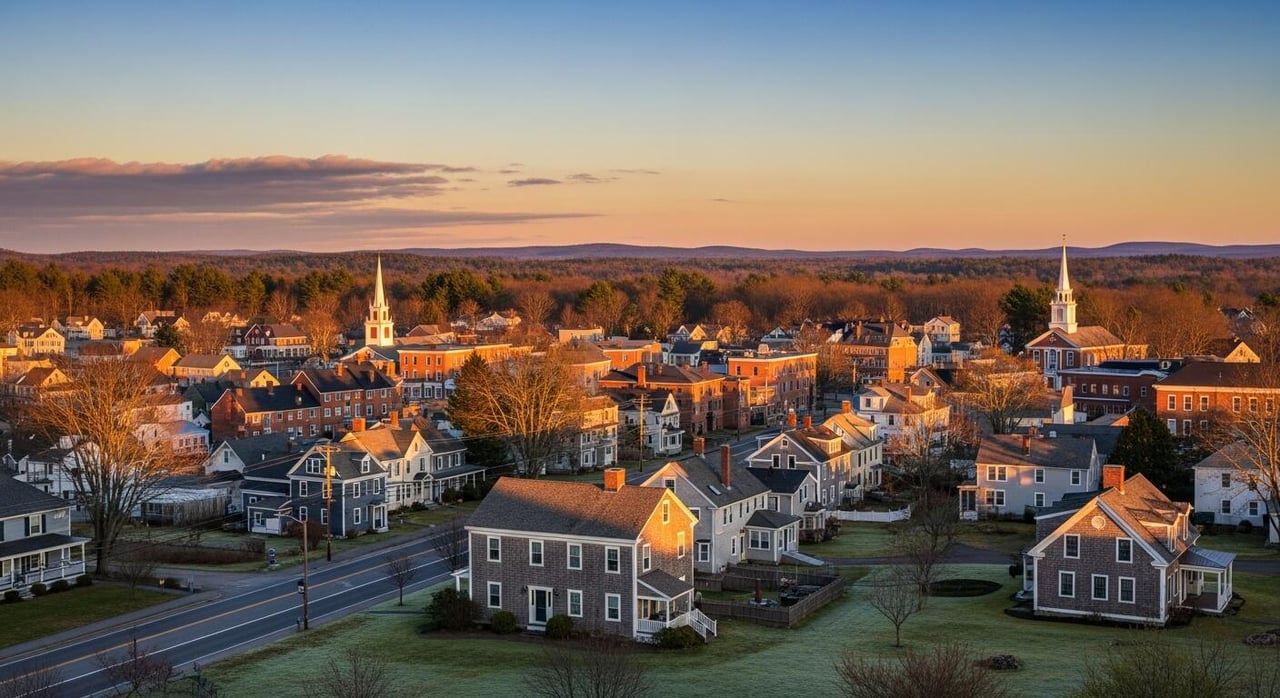
For buyers who care about visual character, that matters. Sherborn does not read like a place of uniform subdivision housing. It feels more layered, with older homes, barns, carriage-house features, and scenic roads contributing to a strong sense of place.
Historic Character Without One Fixed Look
If you are considering an older home, Sherborn offers meaningful architectural variety. Along areas like North Main Street, many homes date to the 19th century and retain period features that reinforce the town’s historic identity.
At the same time, the local historic district review process is focused on exterior changes in protected areas, and the town notes that it does not force a single architectural style for new construction. That creates a setting where preservation is visible, but the housing landscape is not frozen into one look.
Why Lifestyle Buyers Consider Sherborn
For many buyers, Sherborn’s biggest draw is not just the homes themselves. It is the setting around them. The town says it has about 1,000 acres of public-access land, and the Housing Production Plan notes that more than half the town is undeveloped open space.
That is a major differentiator in the Greater Boston area. If you want your home search to include trails, conservation land, scenic roads, and a more outdoors-oriented daily rhythm, Sherborn offers a strong case.
Open Space and Trail Access
Sherborn’s conservation network is extensive and practical, not just scenic. Publicly accessible areas include parcels such as Barber Reservation, Bailey Trail, Hidden Meadow Reservation, the Schoolhouse Property, and Prospect-Perry, along with a section of the Bay Circuit Trail.
This can shape how you live in the home you buy. A lifestyle property often means more than square footage. It may mean easier access to walking trails, riding trails, natural landscapes, and a setting where open land is part of the everyday experience.
Land-Rich and Horse-Friendly Appeal
The town’s planning documents also reference agricultural uses, produce farms, and commercial stables. That helps explain why Sherborn often appeals to buyers looking for a more land-rich environment or a property search with equestrian potential in mind.
You do not need to be seeking a full estate property to appreciate that benefit. Even if you simply want breathing room, mature landscapes, and a setting that feels less built out, Sherborn aligns well with that goal.
The Practical Tradeoffs to Know
Lifestyle homes are rarely just about benefits. They also come with practical realities, and in Sherborn those realities are important to understand early.
The town is about 18 miles southwest of Boston, but its transportation profile is more drive-dependent than transit-oriented. According to the Housing Production Plan, Sherborn has no commuter rail station and no public transportation, with the nearest rail stops in West Natick and Natick Center.
Commuting and Daily Access
Sherborn is connected by Routes 16 and 27, and Route 27 provides access toward Natick, Route 9, I-90, Route 495, Route 128, and downtown Boston. That regional access helps, especially for buyers who plan to drive most days.
Still, your lifestyle fit depends on your routine. If you want walkable rail access or an urban-style daily pattern, Sherborn may feel less convenient than other suburbs. If you are comfortable with driving in exchange for land, privacy, and a quieter setting, the tradeoff may feel worthwhile.
Roads and Rural Infrastructure
Sherborn’s roads are described by the town as narrow, winding, and often lined with stone walls. That contributes to the area’s charm, but it can also affect traffic flow, especially near the main Route 16 and 27 junction.
The town’s infrastructure also reflects its low-density pattern. The Housing Production Plan notes that private wells and septic systems help keep lots large, so buyers considering Sherborn should be ready for a home environment built around those systems rather than municipal utilities.
Where Sherborn Sits on Price
Sherborn is best understood as a premium lifestyle market within Greater Boston. Market data in the research report shows an average home value of $1,223,900 as of March 31, 2026, according to Zillow’s Sherborn home values page.
That pricing places Sherborn above the broader metro benchmark cited in the research. The Greater Boston Association of Realtors April 2025 report reported a Greater Boston single-family median sales price of $990,000, which gives useful context for Sherborn’s premium positioning.
What That Means for Buyers
In practical terms, Sherborn is not usually the value play for buyers who want to stay close to Boston. It is more often a market for buyers who are intentionally paying for space, land, architectural character, and open-space access.
The research also notes limited inventory, with 10 homes for sale in the reported period. In a small market like Sherborn, that can make timing and property selection especially important.
Is Sherborn the Right Fit for Your Lifestyle Home?
Sherborn may be the right next step if your priorities start with privacy, larger lots, classic New England home styles, and strong access to conservation land and trails. It is especially compelling if you want a setting that feels more rural while still staying within the Greater Boston orbit.
It may be less ideal if your top priorities are transit convenience, a more compact suburban layout, or a lower price point. The town’s value comes from its land pattern, natural setting, and distinctive character, so the fit depends on whether those features lead your wish list.
A smart next step is to compare your daily routine with what Sherborn actually offers. Think about commute style, property maintenance expectations, utility preferences, and how much you value open space versus convenience. That clarity can help you decide whether Sherborn is simply appealing on paper or truly right for your next chapter.
If you are weighing Sherborn against other Boston-area lifestyle markets, working with a local advisor can help you compare tradeoffs, pricing, and property types with more confidence. If you want tailored guidance on your search, connect with David Castro for a personalized conversation about your goals.
FAQs
Is Sherborn, MA a good place to buy a lifestyle home?
- Sherborn can be a strong fit if you want larger lots, single-family homes, open space, trail access, and a more private, semi-rural setting within Greater Boston.
What type of homes are common in Sherborn, MA?
- Sherborn is dominated by single-family detached homes, with architectural styles that include Colonial, Federal, Greek Revival, Victorian, Queen Anne, capes, farmhouses, and other traditional New England designs.
Is Sherborn, MA commuter-friendly for Boston buyers?
- Sherborn offers regional road access and is about 18 miles southwest of Boston, but it has no commuter rail station or public transportation, so it is better suited to buyers comfortable with a drive-based routine.
Are homes in Sherborn, MA on larger lots?
- Yes. Sherborn’s zoning includes residential districts with 1-acre, 2-acre, and 3-acre minimum lot sizes, which supports its lower-density, land-oriented character.
Is Sherborn, MA an expensive housing market?
- Sherborn is positioned as a premium market in Greater Boston, with research showing home values and listing prices above the broader metro single-family median.
Does Sherborn, MA have outdoor recreation and conservation land?
- Yes. The town reports about 1,000 acres of public-access land, along with trails, conservation areas, scenic landscapes, and access to natural features like Farm Pond and the Charles River boundary.